Making the most of your home is not always about having more space. Often, it comes down to using the space you already have more thoughtfully.
With flexible furniture, better organization, and a few practical upgrades, here’s how almost every room can become more comfortable, functional, and suited to your daily routine.
Give Each Room More Than One Purpose
One of the easiest ways to make better use of your home is to think beyond the traditional purpose of each room. A spare bedroom, for example, does not have to sit unused until guests arrive. It could double as a home office, exercise space, or hobby room.
The same idea can work in larger living areas. A quiet corner of the family room might become a reading nook, while a dining area can also provide space for homework, crafts, or occasional remote working. Furniture such as sofa beds, folding desks, and extendable tables can make switching between different uses much easier.
Make Use of Vertical Space
When floor space is limited, look upward. Walls offer valuable storage opportunities that are often overlooked. Tall shelving units, floating shelves, wall-mounted cabinets, and hooks can free up surfaces while keeping everyday items accessible.
In kitchens, additional shelving can provide room for appliances or cookware; bedrooms can benefit from storage above wardrobes; and garages and utility rooms can use wall-mounted racks to keep equipment off the floor.
Create a More Functional Home Office
Remote and hybrid working have made dedicated workspaces more important for many households. However, a productive setup does not necessarily require an entire room. A well-organized desk in a bedroom, hallway alcove, or living room corner can work just as effectively.
Reliable technology also plays a major role in making these spaces useful. Households comparing options for fiber internet in Minneapolis, for example, may be looking to support activities such as video calls, remote work, streaming, and multiple connected devices throughout different areas of the home.
Rethink Underused Corners
Small, awkward areas can often become surprisingly useful with a little imagination. The space under a staircase might accommodate shelving, a compact workstation, or built-in storage. An empty landing could become a small library, while an unused kitchen corner might work as a breakfast area.
Before buying additional furniture, spend some time identifying the parts of your home that rarely get used. Even a narrow wall or recessed area may have more potential than you initially realize.
Keep Clutter Under Control
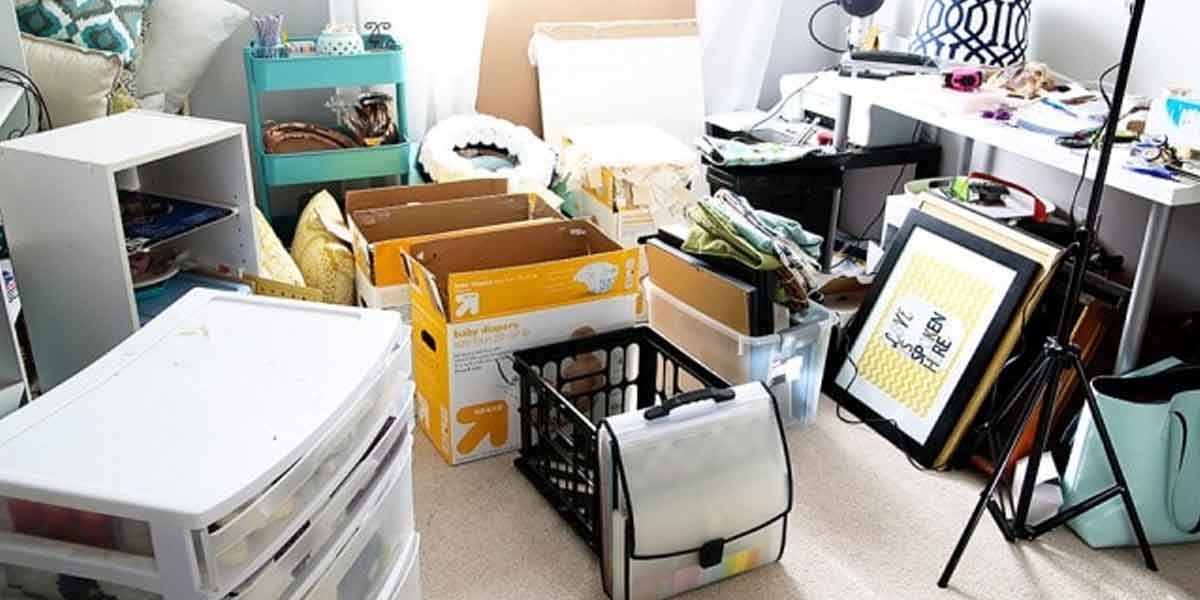
Rooms tend to feel smaller when surfaces and floors are crowded. Regularly sorting through belongings can therefore make your home feel more spacious without any structural changes.
Choose storage solutions that match how you actually live. Baskets can keep children’s toys organized, storage benches can hide blankets and shoes, and drawer dividers can prevent smaller items from becoming disorganized.
Focus on Flexibility
Ultimately, the most useful homes are able to adapt. Your needs may change as your family grows, working arrangements shift, or new hobbies become part of your routine.
By choosing flexible furniture, improving storage, investing in practical technology, and reconsidering underused areas, you can help every room work harder. You may discover that creating a more functional home has less to do with adding square footage and more to do with making smarter use of the space already available.